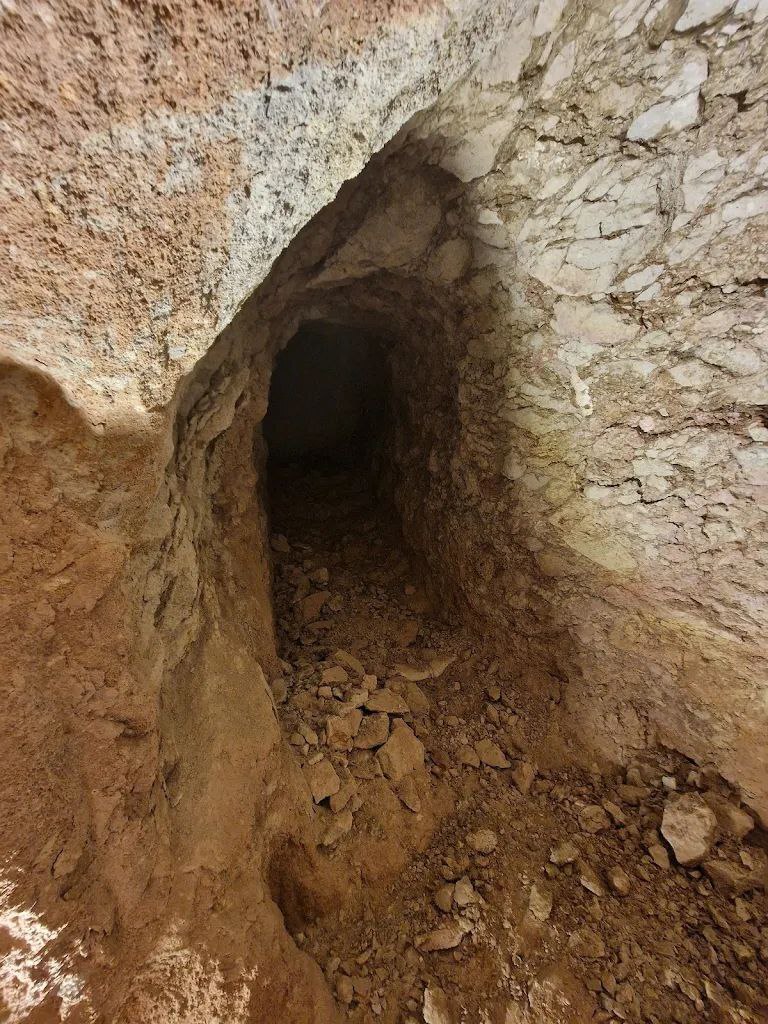
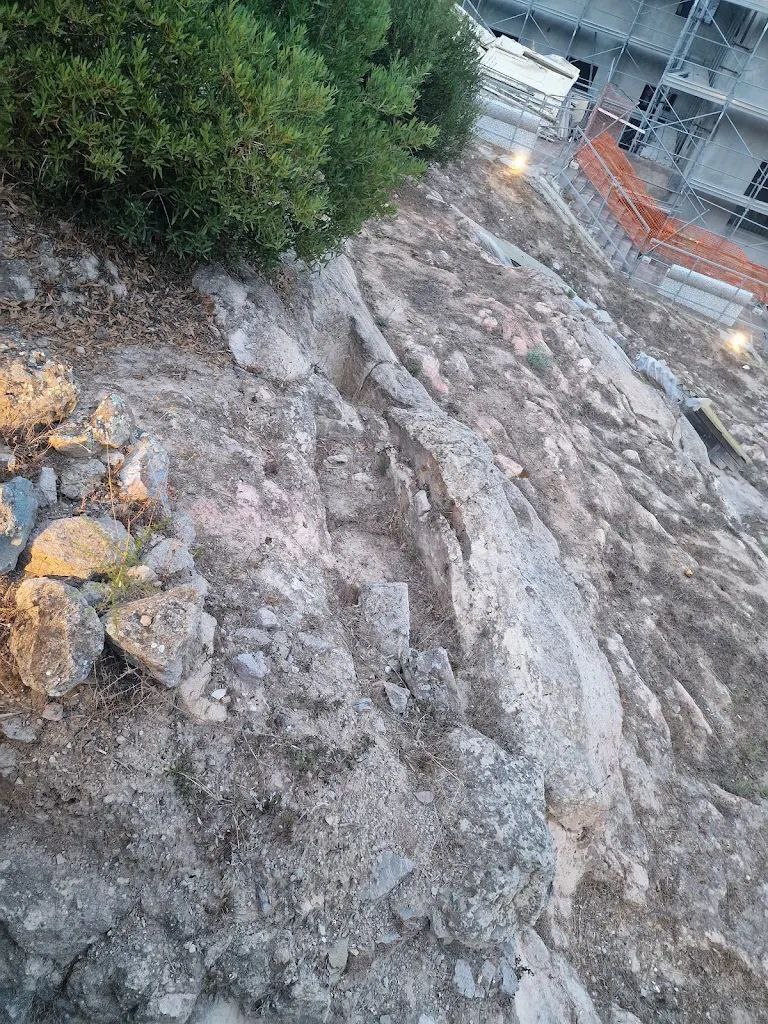
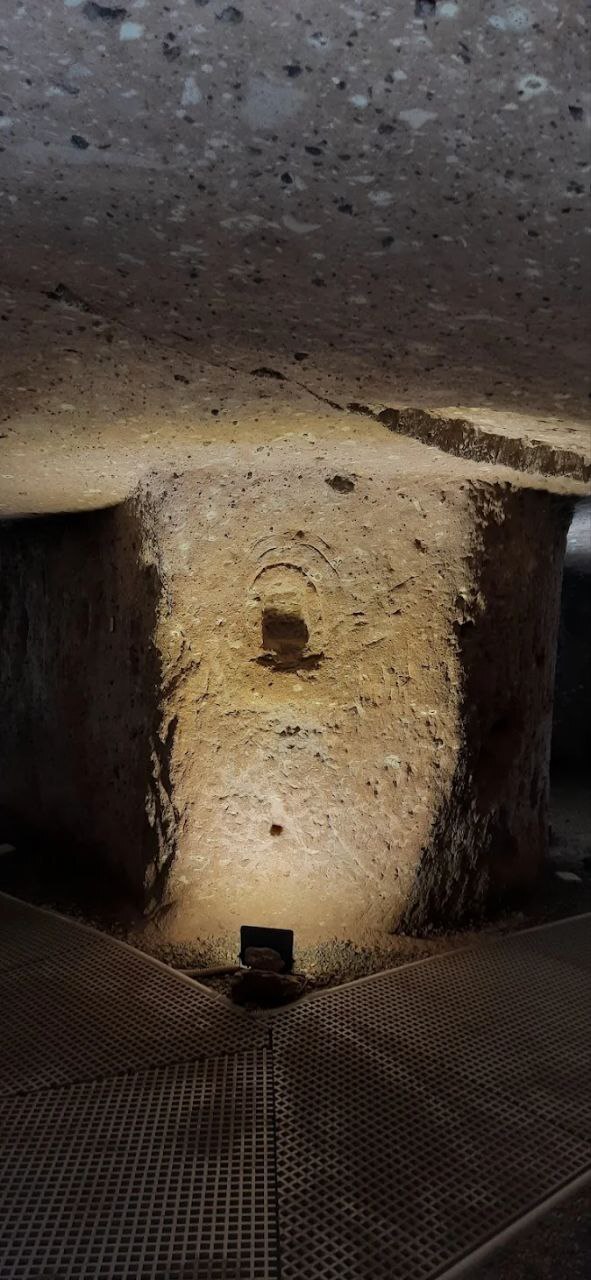
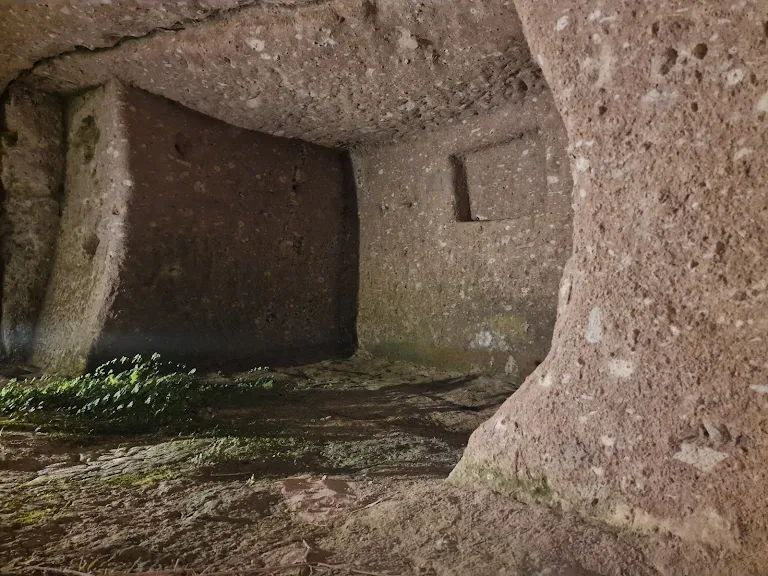
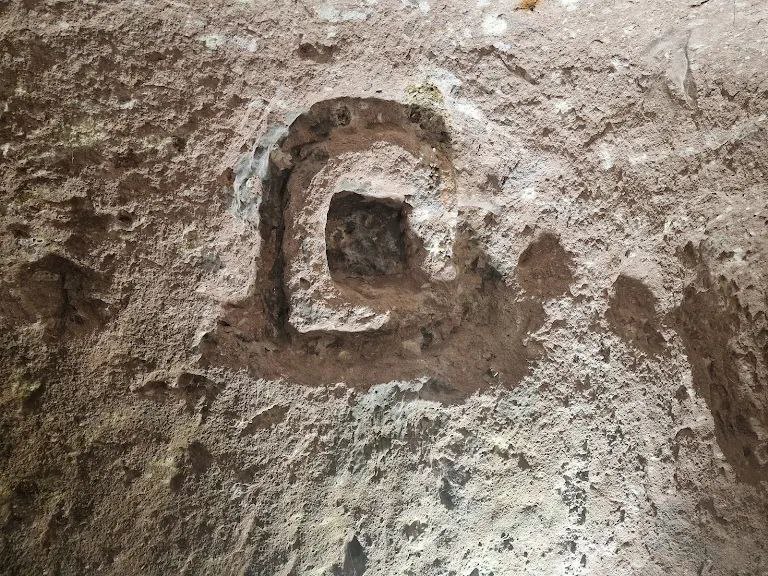
The necropolis, covering 1000 square meters and located in Largo Giacomo Parodo, in the western area of Carloforte, was first excavated in 2011. The work was coordinated by archaeologist Wissan Khalil from the Department of Arts and Archaeology at the Lebanese University of Beirut, in collaboration with the Superintendency for Archaeology, Fine Arts and Landscape of Cagliari and the Provinces of Oristano and South Sardinia. The project was funded by the Municipality of Carloforte, the Sardinia Region, the Hotel Paola of Carloforte, the League of Canaanite, Phoenician and Punic Cities, and the Phoenician Heritage Institute.
The site, dating from the 7th to the 3rd centuries BC, is classified as "Phoenician-Punic" and thus bears witness to the presence of both civilizations as well as the cultic syncretism of different funerary practices. However, pending official publications on the excavation results, its exact stratification is not yet understood.
The necropolis faces southeast and occupies a strategic lookout position over the open sea towards Tunisia, the Island of Sant’Antioco, and the southern coast of the Sardinian mother island. Throughout the excavation area, a large number of pit graves have emerged (currently 23 are counted) dug into the volcanic rock substrate; burial in this type of tomb, where ceramic funerary furnishings were found alongside bones, was intended for people of simple social class.
Within the necropolis is a fascinating complex of hypogeal chamber tombs carved into tuff, consisting of two large interconnected rooms, intended for families of high social rank. The artifacts found include votive elements and precious funerary equipment, such as figurines, ceramics, jewelry, and oil lamps.
No traces of Tophet, associated with the cult of protective deities of children and animals and their burial, have emerged from the excavations carried out so far.
The Carloforte necropolis shows characteristics consistent with other minor Punic sites: rock-cut tombs, linear structures, and few signs of monumentalization.


 Languages
- EN
The experience of our guests
Thank you for your feedback!
-
Overall Experience
-
Service Quality
-
Environment Cleaning
-
Comfort and Atmosphere
-
Value for money