Visiting the Ethnographic Museum, in the heart of Fluminimaggiore, you can take a journey back in time with curiosities and stories that will make the ancient crafts more real, still alive in the memories of our grandparents. An opportunity to learn about a world now distant, from which you can perceive how the simple and ingenious activities of farmers, shepherds, and master craftsmen added value to life.
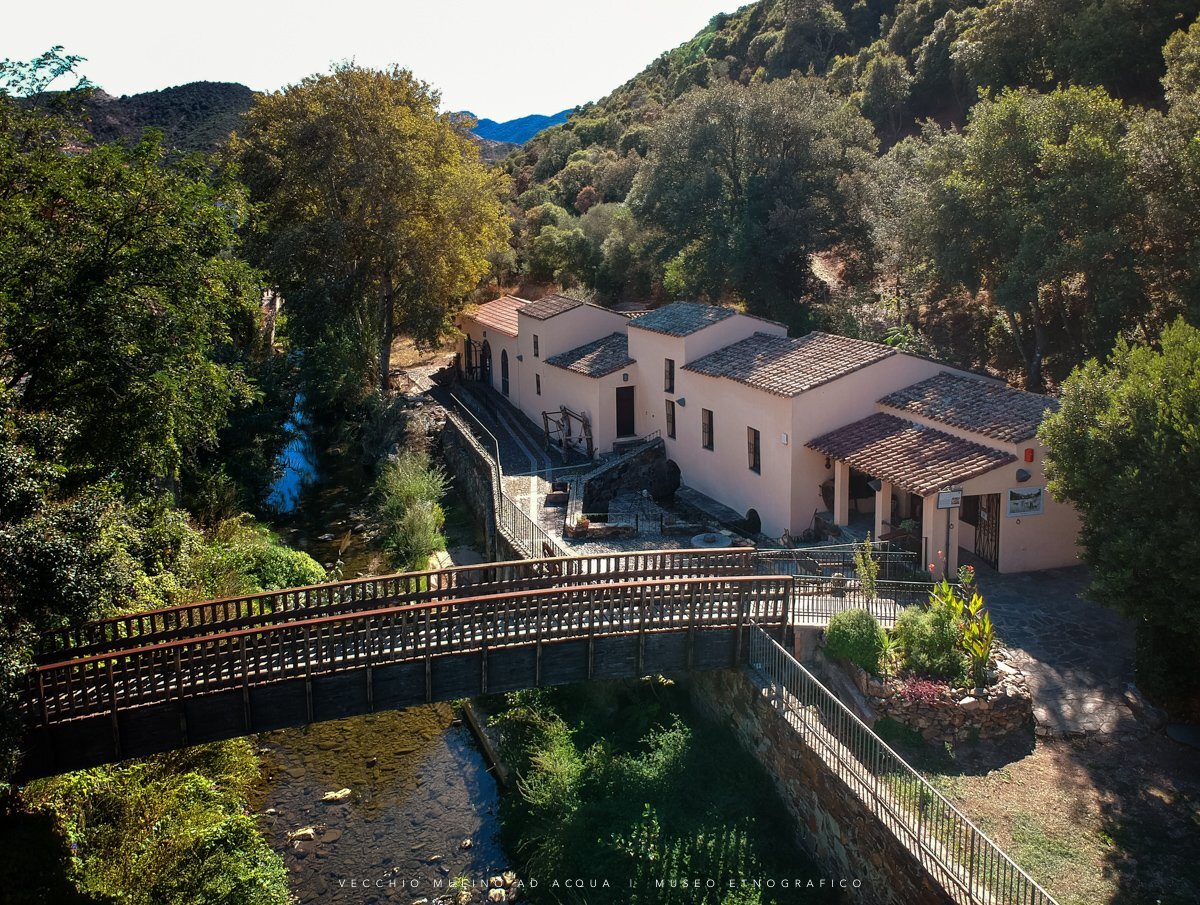
The Ethnographic Museum has been set up inside the Old Water Mill Licheri from the 18th century, built on the bank of the Rio Mannu of Fluminimaggiore, whose waters were used to operate the hydraulic millstone. The structure retains the characteristics of typical houses with thick walls made of “ladiri” (mud and straw bricks) and a roof with reeds.
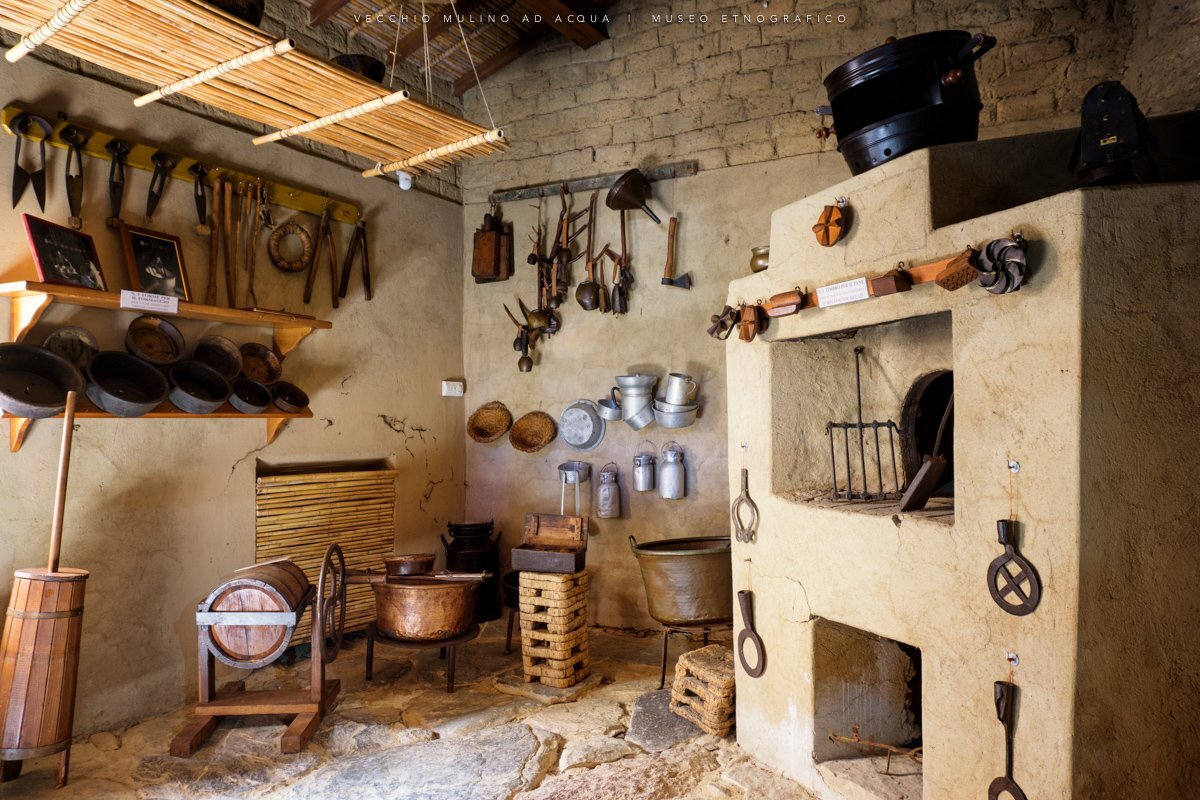
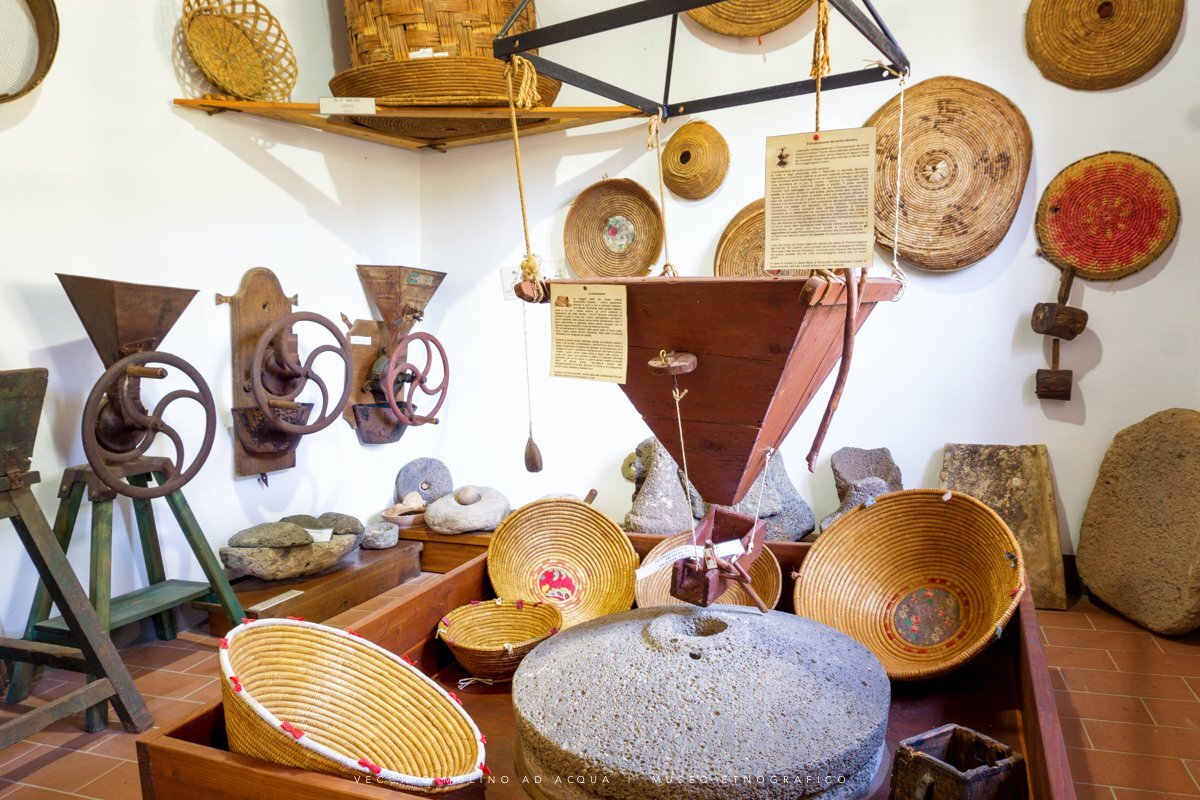
Currently, there are 11 exhibition spaces including the mill and the outdoor area, 10 rooms that preserve objects related to shepherding, agriculture, and ancient crafts such as the blacksmith, the cobbler, etc., but the most significant part focuses on the various stages of production and processing of wheat.
Educational workshops: the museum has a very important pedagogical value, enriching and intriguing new generations with testimonies of past life. The educational workshops have been designed to allow young people to try their hand at manual work such as making fresh pasta.
Events: various appointments at the museum, such as the remembrance of the Shoah, Femmias de bidda nostra on the occasion of International Women's Day on March 8, lives and stories to tell at the mill, the Grape Festival, Sa moba arrubia for the day against violence towards women, Christmas at the mill, and numerous exhibitions.
Thanks are due to the commendable work of Mr. Bruno Murtas who, with love and passion, also thanks to the support of the municipal administration, had the intuition to renovate the old mill, recover various objects, and take care of their display, thus creating the Ethnographic Museum. Since its opening in 1998, the museum has significantly increased the number of objects on display, thanks to the generosity of the people of Fluminimaggiore who have donated part of their precious belongings, tools, and equipment.


 Languages
- EN
 Reduced fee for cardholders
The experience of our guests
Thank you for your feedback!
-
Overall Experience
-
Service Quality
-
Environment Cleaning
-
Comfort and Atmosphere
-
Value for money