The mighty tower was built during the Savoy era, between 1756 and 1757, even before the founding of Calasetta, which dates back to 1770.
There are records of this tower in the master plan created by Engineer Pietro Belly in 1770, who designed the urban layout of the Sulcis municipality, referring to a village to be built on the island of Sant’Antioco, near the Tower of “Cala di Seta”.
Local materials such as volcanic stone and sand were used for the construction of the bastion; lime was imported from Porto Paglia, while lighter stones, presumably from the Matzaccara area or the island of San Pietro, were taken to build the vault.
The construction required significant labor, and the local workers were not sufficient. For this reason, workers from Carloforte were hired.
The work was directed by Engineer Solerj, who probably also designed the project.
Truncated cone-shaped, it follows the pattern of numerous towers located at more or less regular intervals along the Sardinian coasts. It has a base diameter of about 9 meters and a height of about 12 meters. The thickness of the perimeter walls varies from 280 cm at the bottom to 70 cm at the top.
It consists of two superimposed rooms: the lower one was used as a cistern, while 4 meters above the base is the entrance to a circular chamber divided into several rooms.
The interior was illuminated by loopholes; today only one remains, the others have been converted into actual windows.
A staircase carved into the wall thickness leads to the gun platform.
Outside, there is a single decorative element, a cornice made of stone different from the trachyte to highlight it better, now partially destroyed.
Access to the tower was allowed by a sort of drawbridge operated from the inside.
The purpose of the “Cala di Seta” tower, as well as the older one in Portoscuso, was to control the San Pietro Channel, defending against attacks by Barbary pirates on the tuna fisheries, the city of Carloforte, and later the settlement and population of Calasetta.
The garrison consisted of a variable number of soldiers, from three to sixteen, commanded by an Alcaide, the commander. The tower was equipped with weapons and ammunition, including two iron cannons of 8 caliber.
In 1875, the Municipality of Calasetta purchased the tower and the surrounding state-owned land.
During the First and Second World Wars, the building was restored several times. A final careful restoration in the early 1980s revealed the ground floor, originally filled with sand and debris.
The floor is the natural rock surface from which rises a central pillar that supports three majestic arches. Against the side wall is the rainwater cistern, whose opening is on the upper floor.
An artificial opening allows entry to this room from the outside.
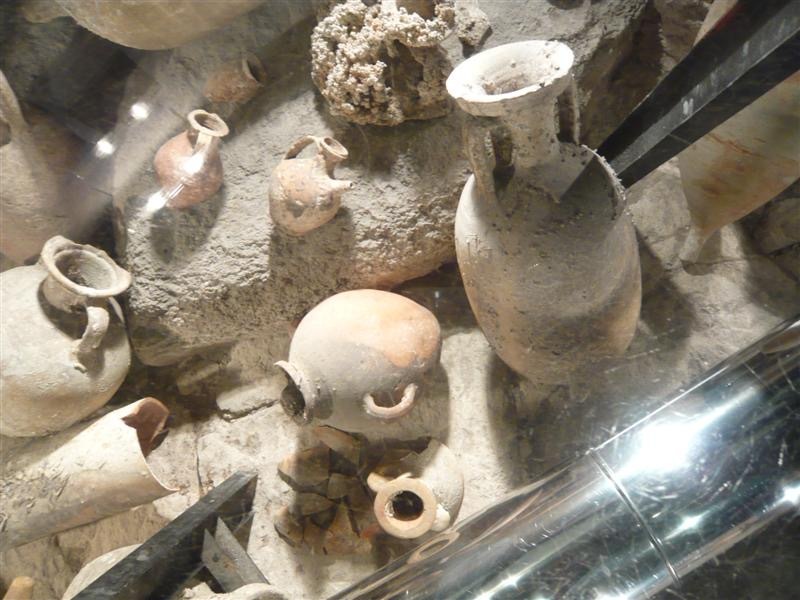
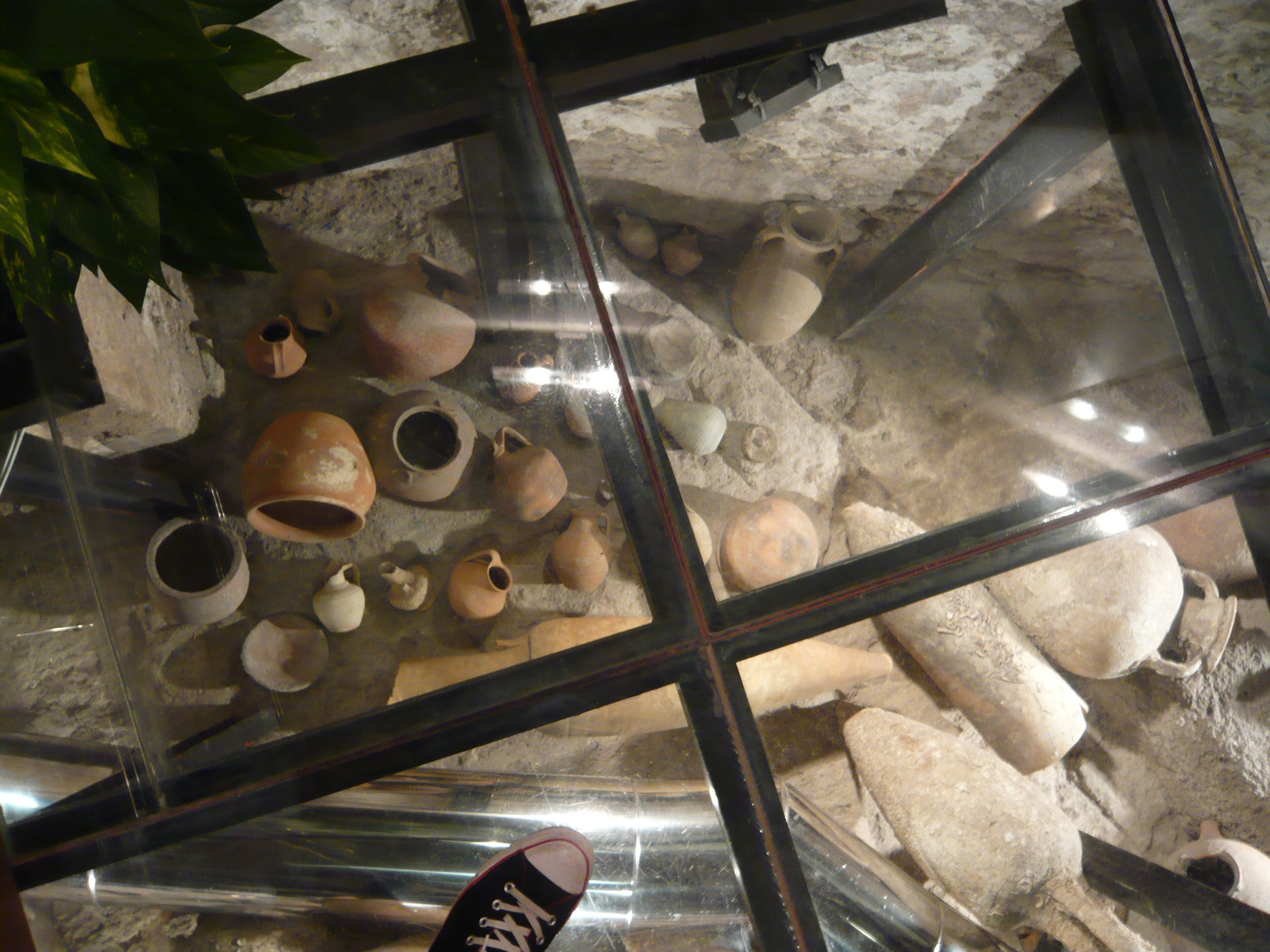
Once a military building and more recently a restaurant, the ground floor of the tower currently houses the Archaeological Museum managed by the MACC Foundation, which also manages the Calasetta Museum of Contemporary Art. The upper floor room is used for ceremonies and temporary exhibitions.
Silent witness to the countless events of Calasetta’s history, it has been considered the symbol of the town since its origins and for this reason is represented on the municipal banner.


 Languages
- EN
- FR
 Reduced fee for cardholders
The experience of our guests
Thank you for your feedback!
-
Overall Experience
-
Service Quality
-
Environment Cleaning
-
Comfort and Atmosphere
-
Value for money