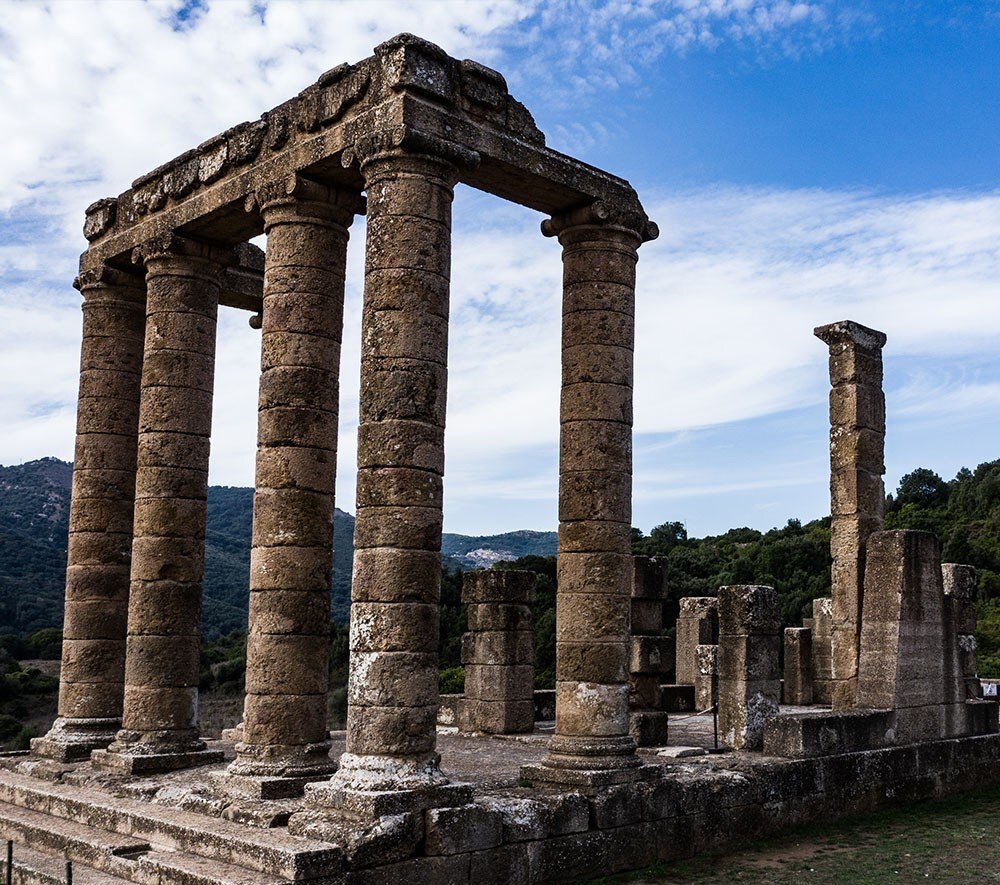
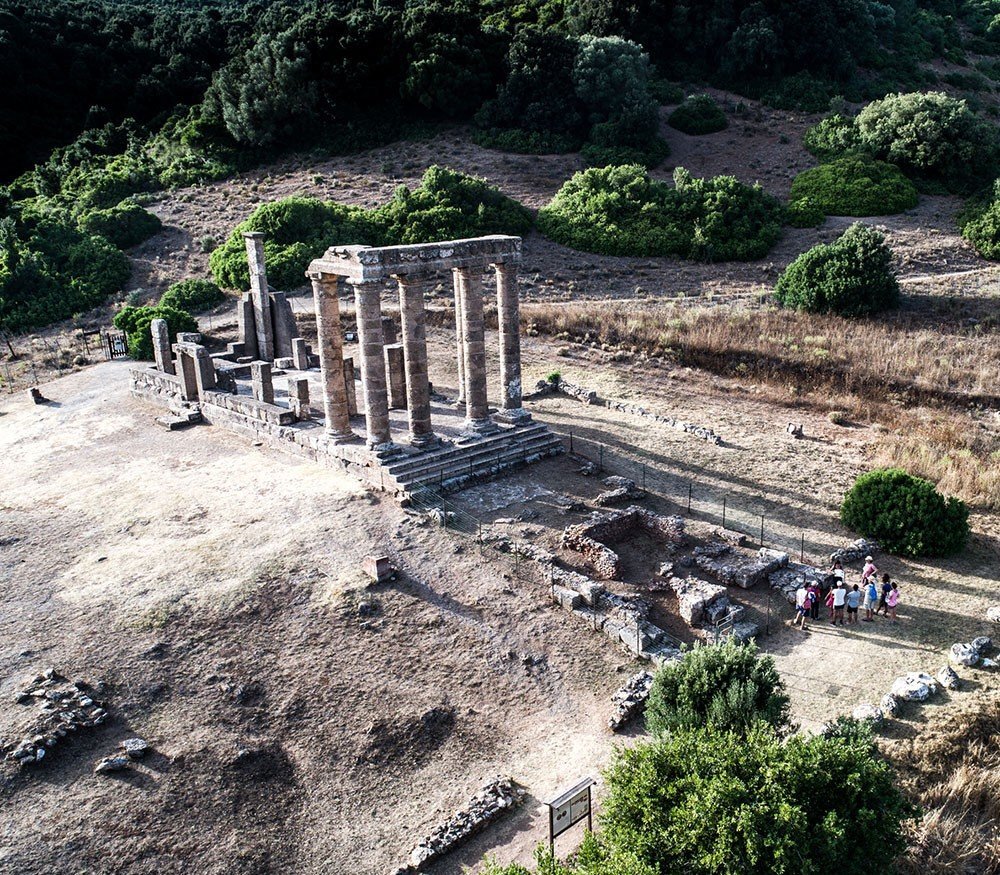
At the heart of the Antas Valley, surrounded by a striking natural amphitheatre, you’ll discover one of Sardinia’s most fascinating places of worship. The Temple of Antas bears witness to the many civilizations that, over the centuries, have recognized this valley as a sacred place. During your visit, you’ll trace a history spanning millennia: from traces of Nuragic settlement—including ancient funerary remains and a Bronze Age village—to the remains of the Punic sanctuary dedicated to the deity Sid Addir Babay, and finally to the Roman temple, built from the 2nd century BC in honour of Sardus Pater Babai. You can take a closer look at the archaeological structures, inscriptions and remains of ancient places of worship, immersed in a landscape where history and nature meet. To enrich your visit, information panels, materials in several languages and the Innovantas app are available. You can access the app on your own device or on a tablet available at the ticket office.
A combined ticket is also available, covering admission to the Temple of Antas and the Mill Museum of Fluminimaggiore. It’s an opportunity to continue your journey through the area’s history, from the legacy of ancient civilizations to the traditional crafts and daily life of local communities.


Upcoming Appointments
Admission to the archaeological site of the Temple of Antas. Free historical and archaeological information materials are available in Italian, English, German, French, Dutch, Polish and Spanish. Bilingual information panels are provided, and visitors can use the Innovantas app on their own device or on a tablet available at the ticket office.
Guided tours are available by reservation for an additional fee (€3 per person). Transport to and from the site, meals, drinks and any personal expenses not expressly included in the ticket are excluded.
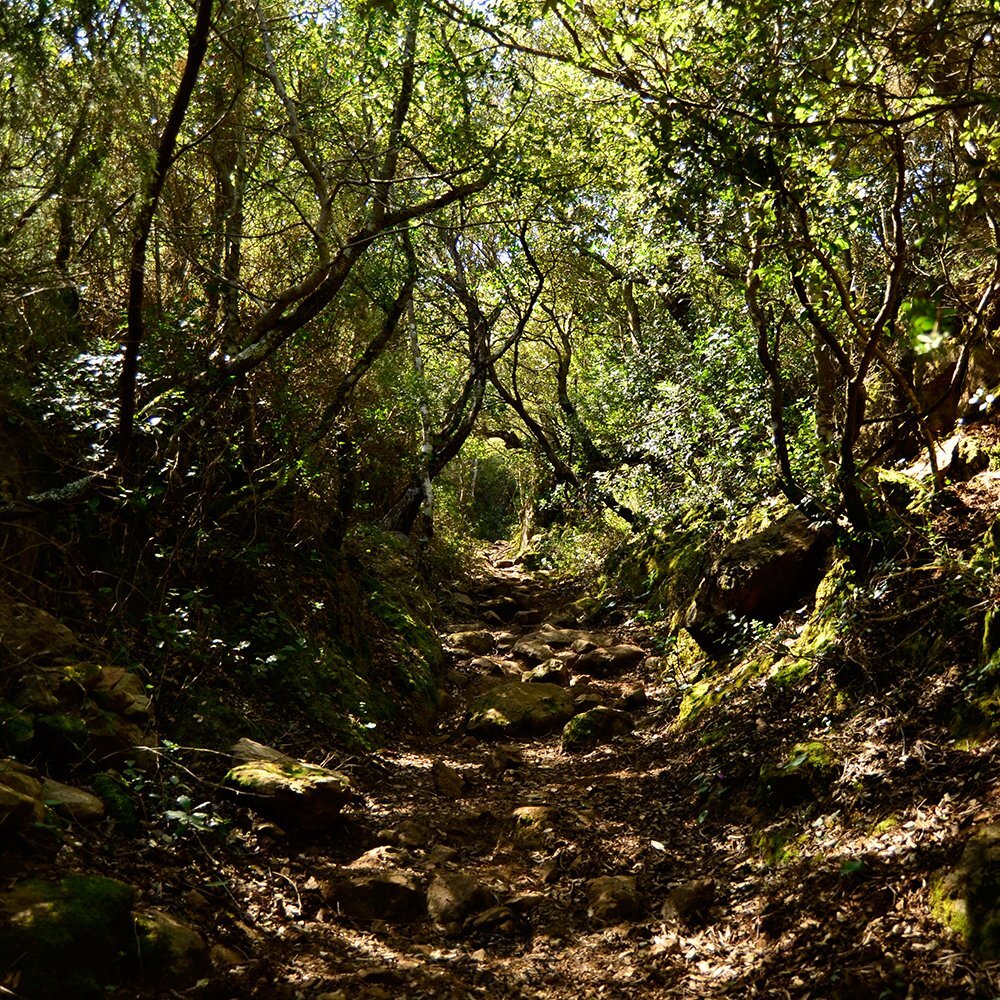
Comfortable clothing and suitable shoes for walking on unpaved, uneven surfaces. During the warmer months, bringing water, a hat and sunscreen is recommended.
 Accessibility: Yes
 Duration: 1h 30min
 Minimum number of people: 1
 Maximum Number of People: 30